Back to blog
Wellness
Digestive Symptoms: What Your Gut Is Telling You
8 min read
Ajolote Azul Team
digestive symptoms
bloating and gas
irritable bowel syndrome
heartburn
low-FODMAP diet
lactose and gluten
Based on the work of our partners at Metabolic Healing (Michael McEvoy). Read the original article: Follow Your 'Gut Instincts': What Your Digestive Symptoms Are Telling You
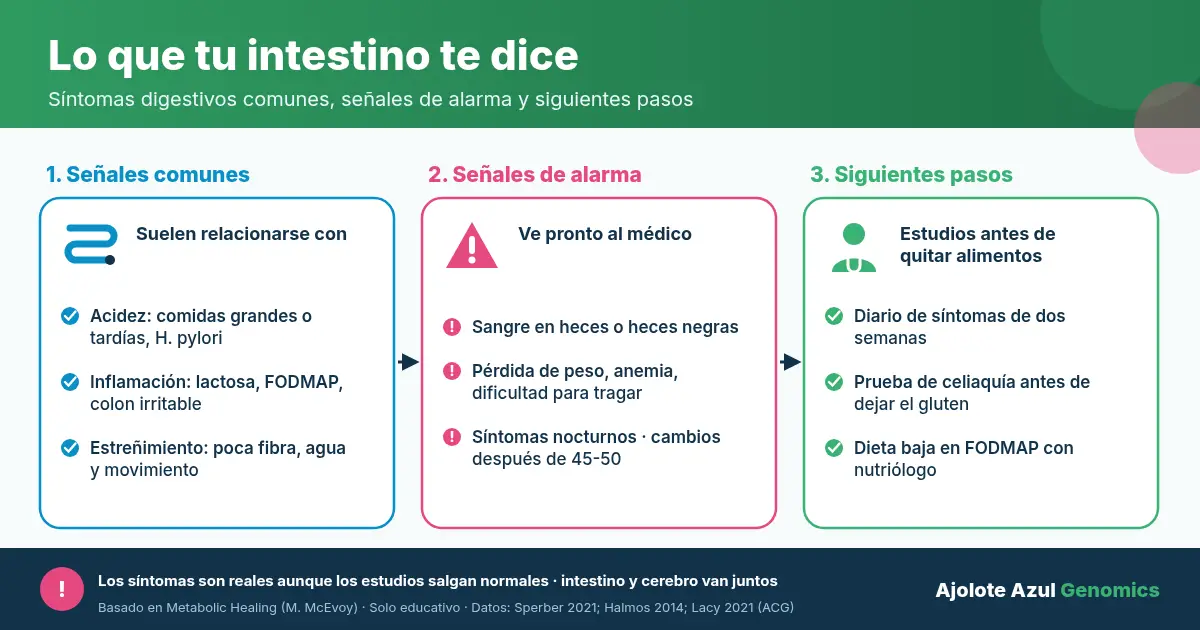
Digestive symptoms, such as heartburn, abdominal bloating, or constipation, can have different causes. Genes add context about some traits, but they do not identify the source on their own. If you notice blood in your stool, unintentional weight loss, or another warning sign, see a health professional soon.
Bloating after you eat, heartburn at night, a week without a proper bowel movement: digestive symptoms are among the most common reasons people feel unwell, and among the most searched topics online.
Your gut does send signals worth hearing. This guide reviews the most common symptoms, what may sit behind them, which warning signs need a doctor, and what you can try in the meantime.
You are not the only one
A survey of more than 73,000 adults in 33 countries found that about four in ten people who responded online (and close to one in five interviewed at home) met criteria for at least one functional digestive disorder, such as irritable bowel syndrome (IBS) or functional dyspepsia. These disorders were more common in women and were linked with worse quality of life and more visits to the doctor 1.
Today doctors usually call them disorders of gut-brain interaction. The name reflects what research has found: symptoms can come from a mix of changes in how the gut moves, a more sensitive gut, changes in the lining and in immune activity, changes in gut bacteria, and the way the brain processes signals from the gut 2. The symptoms are real even when routine tests come back normal.
Warning signs that need a doctor first
Before you try anything on your own, see a doctor soon if you have:
- Blood in the stool or black, sticky stools
- Vomiting blood or vomit that looks like coffee grounds
- Weight loss you were not trying for
- Difficulty or pain when swallowing
- Anemia or low iron on a lab test
- Symptoms that wake you at night
- Persistent vomiting, fever, or severe abdominal pain
- A change in your bowel movements after age 45–50, or a family history of colon cancer, celiac disease, or inflammatory bowel disease
These signs do not automatically mean something serious. They do mean you need an evaluation. A home remedy is not the right next step.
Heartburn and indigestion
How it feels: burning behind the breastbone, a sour taste, or a heavy, overly full feeling in the upper abdomen after eating.
What may be behind it: large or late meals, fatty or spicy food, alcohol, coffee, tobacco, excess weight, pregnancy, some medications (such as anti-inflammatories), H. pylori infection, reflux disease, or functional dyspepsia.
What to try: smaller meals, dinner two or three hours before you lie down, raising the head of the bed, and noticing which foods bother you. Frequent heartburn (more than twice a week) deserves a visit with your doctor, who can choose the right treatment and decide whether you need tests. Do not stop medications you were prescribed on your own.
Bloating and gas
How it feels: a tight, swollen abdomen, often worse as the day goes on, with belching or gas.
What may be behind it: eating quickly, carbonated drinks, constipation, IBS, or poor absorption of certain carbohydrates such as lactose (the sugar in milk) or fructose. Celiac disease can also cause bloating.
The FODMAP link. FODMAPs are short-chain carbohydrates that gut bacteria ferment quickly. In a randomized crossover trial of 30 people with IBS, three weeks on a low-FODMAP diet cut the total symptom score to about half compared with a typical diet, with less bloating, pain, and gas. Healthy volunteers noticed no change 3. The American College of Gastroenterology recommends a limited trial of this diet for IBS 4. It is meant to be temporary, and it is best done with a dietitian, because it is restrictive. The goal is to identify your personal triggers and bring the other foods back.
Constipation
How it feels: hard stools, straining, fewer than three bowel movements a week, or a sense that you did not empty completely.
What may be behind it: too little fiber, too little water, too little physical activity, holding stool in, travel, pregnancy, IBS, a slow thyroid, and some medications and iron supplements.
What to try: add fiber gradually (beans, oats, chia, nopales (cactus pads), fruit with the peel, vegetables), drink enough water, move every day, and give yourself unhurried time in the bathroom, preferably after breakfast. If the constipation is new, keeps going, or comes with a warning sign, see your doctor.
Diarrhea or loose stools
How it feels: frequent, watery, or urgent bowel movements.
What may be behind it: infections, food intolerances (lactose is one of the most common), IBS, celiac disease, inflammatory bowel disease, some medications, and too many sugar alcohols from "sugar-free" products.
Do not skip the tests. In people with IBS symptoms and diarrhea, the American College of Gastroenterology guideline suggests a blood test for celiac disease and a stool test called fecal calprotectin to help rule out inflammatory bowel disease 4. Celiac disease is a lifelong immune reaction to gluten from wheat, barley, and rye. Blood antibodies detect it, a biopsy confirms most cases, and medical care includes a strict gluten-free diet with follow-up 5. Keep eating gluten until you are tested, because stopping beforehand can hide the diagnosis.
Do your genes influence your digestive symptoms?
They can. The NGx nutrigenetic test analyzes 70 markers in 59 genes and includes lactose, gluten, and vitamin B12/FUT2. It does not diagnose any disease and it does not replace a medical evaluation. It is information to discuss with your doctor or dietitian. Learn about the Ajolote Azul genetic test and read how the FUT2 gene and non-secretor status relates to your microbiota. You can also read about the intestinal barrier and digestive enzymes, which are part of the digestive picture.
A simple plan for your gut
- Keep a symptom diary for two weeks: what you ate, when symptoms showed up, stress, sleep, and bowel movements. Patterns often become obvious.
- Cover the basics: regular meals, eating slowly, enough fiber and water, daily movement, and solid rest.
- Manage stress: because of the gut-brain connection, techniques such as breathing exercises or gut-focused psychotherapy can help. The American College of Gastroenterology guideline suggests the latter for IBS symptoms 4.
- Get tested before you remove foods: ask about celiac disease, lactose intolerance, or H. pylori instead of cutting out whole food groups on a hunch.
- Rely on professionals: a doctor to rule out disease, and a dietitian to personalize your plan.
Frequently asked questions
Why do I bloat after eating?
Common causes include eating quickly, carbonated drinks, constipation, IBS, and poor absorption of carbohydrates such as lactose or fructose. If the bloating keeps going, or it comes with weight loss or other warning signs, see a doctor.
When should I worry about my digestive symptoms?
See a doctor soon if you have blood in your stool, black stools, vomiting blood, weight loss you were not trying for, difficulty swallowing, anemia, nighttime symptoms, or a recent change in your bowel movements after age 45–50.
Does a low-FODMAP diet work?
In a randomized trial of people with IBS, it reduced overall symptoms, bloating, and pain. It is designed as a short, guided elimination, followed by reintroduction, preferably with a dietitian.
Should I give up gluten if I have stomach problems?
Get tested for celiac disease first, while you are still eating gluten. Stopping beforehand can make the tests come back falsely negative.
Turn your genes into a practical plan
- Nutrigenetic test NGx: 70 markers in 59 genes, with a 60-minute 1-on-1 consult included. $9,880 MXN.
- Pharmacogenetic test PGx: how you process more than 200 medications (51 genes). $9,800 MXN.
- NGx + PGx combo: $15,750 MXN. See the tests
References
- Sperber AD, Bangdiwala SI, Drossman DA, et al. Worldwide Prevalence and Burden of Functional Gastrointestinal Disorders, Results of Rome Foundation Global Study. Gastroenterology. 2021;160(1):99-114.e3. doi:10.1053/j.gastro.2020.04.014. PubMed 32294476 · doi:10.1053/j.gastro.2020.04.014
- Drossman DA. Functional Gastrointestinal Disorders: History, Pathophysiology, Clinical Features and Rome IV. Gastroenterology. Published online February 19, 2016. doi:10.1053/j.gastro.2016.02.032. PubMed 27144617 · doi:10.1053/j.gastro.2016.02.032
- Halmos EP, Power VA, Shepherd SJ, Gibson PR, Muir JG. A diet low in FODMAPs reduces symptoms of irritable bowel syndrome. Gastroenterology. 2014;146(1):67-75.e5. doi:10.1053/j.gastro.2013.09.046. PubMed 24076059 · doi:10.1053/j.gastro.2013.09.046
- Lacy BE, Pimentel M, Brenner DM, et al. ACG Clinical Guideline: Management of Irritable Bowel Syndrome. Am J Gastroenterol. 2021;116(1):17-44. doi:10.14309/ajg.0000000000001036. PubMed 33315591 · doi:10.14309/ajg.0000000000001036
- Rubio-Tapia A, Hill ID, Semrad C, et al. American College of Gastroenterology Guidelines Update: Diagnosis and Management of Celiac Disease. Am J Gastroenterol. 2023;118(1):59-76. doi:10.14309/ajg.0000000000002075. PubMed 36602836 · doi:10.14309/ajg.0000000000002075 · Erratum published: Am J Gastroenterol. 2024 Jul 1;119(7):1441.
This article is for information and education only; it does not replace consultation, diagnosis, or treatment by a health professional. Talk with your doctor before changing your diet, medications, or supplements.
Based on the work of our partners at Metabolic Healing (Michael McEvoy). Read the original article: Metabolic Healing
A
Ajolote Azul Team
Specialist in wellness, nutrition and holistic health. Passionate about sharing science-based knowledge to improve quality of life.
Keep Reading
Related Articles
Discover more content on this topic that might interest you
Wellness
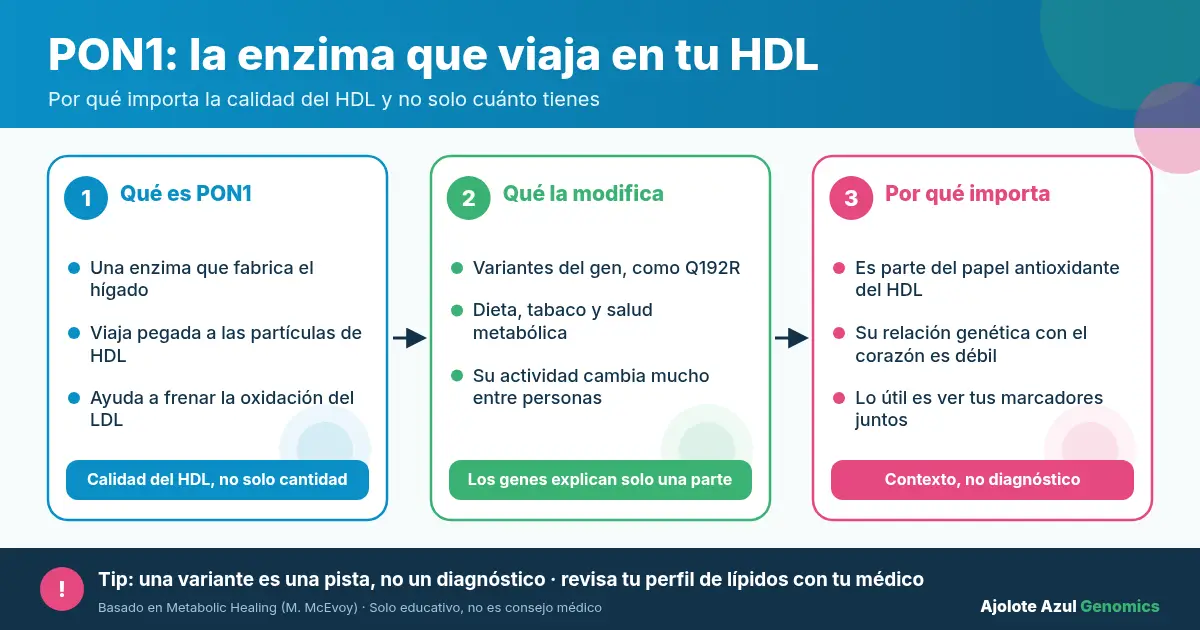
PON1 Gene: Function, HDL, and the Q192R Variant
What does the PON1 gene do? How it relates to paraoxonase, HDL cholesterol, and the Q192R variant—what the evidence shows and its limits.
7 min readRead more
Wellness
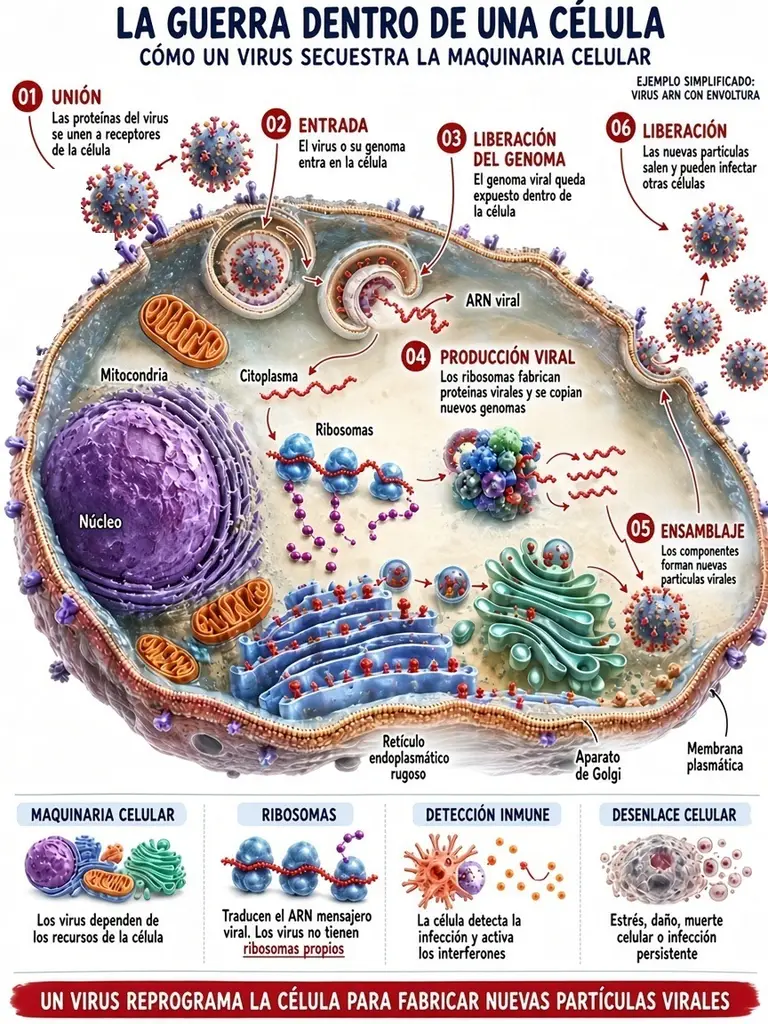
How a Virus Infects a Cell and How the Body Defends
Step by step: how a virus hijacks a cell to multiply, and the defenses your body uses—interferons, sensors, and apoptosis.
5 min readRead more
Wellness
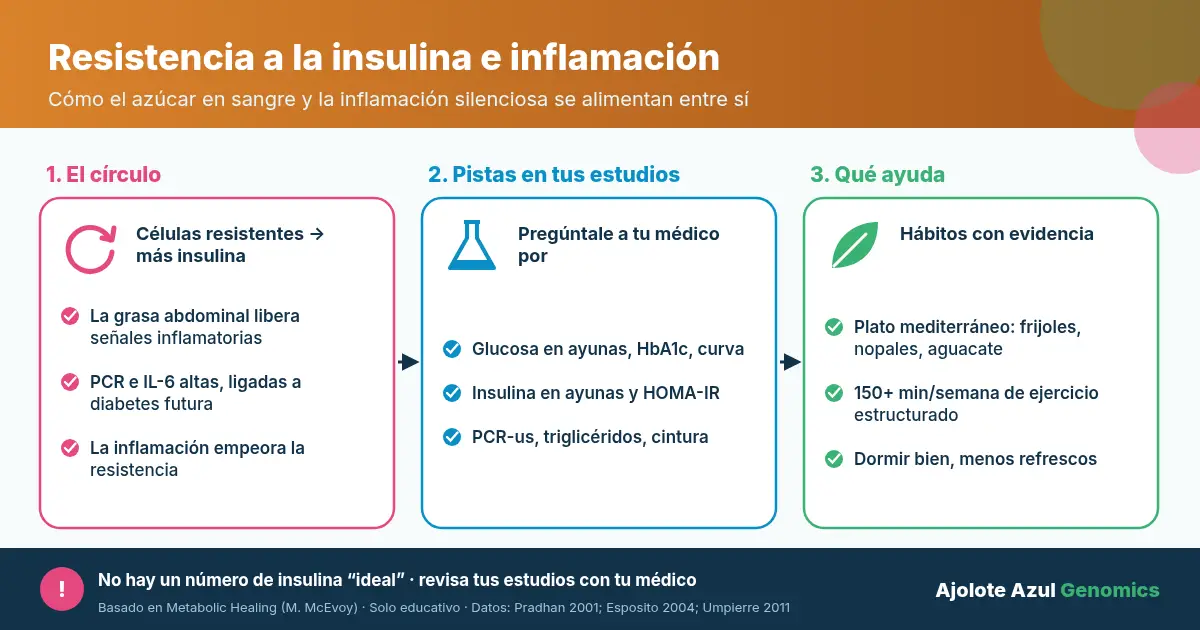
Insulin Resistance and Inflammation: How They Connect
Insulin resistance and inflammation feed each other. Learn how food and movement help, and what your genes can show in a test.
8 min readRead more
Did you like this article?
Discover how you can optimize your health with a personalized nutrigenetic test