
Back to blog
Wellness
Safe polypharmacy with more control and less risk
7 min read
Ajolote Azul Team
safe polypharmacy
medication review
drug interactions
pharmacogenetics
prescribing cascade
medication list
Taking several medications can be necessary, effective, and a central part of good treatment. The problem appears when nobody has the full picture: the pill for blood pressure, the pain reliever for the knee, the stomach protector, a supplement for sleep, and an over-the-counter medicine for a cold. Safe polypharmacy is not about taking fewer drugs on principle. It is about understanding what a person takes, why they take it, how it interacts, and whether it is still the best option for their body and their stage of life.
For someone with diabetes, high blood pressure, chronic pain, cancer, anxiety, or several health conditions, treatments can pile up quickly. It also happens often in older adults, though this is not a topic limited to that age. Each new drug can bring a real benefit, but it also shifts the balance of the whole regimen. That is why a periodic review is not medical paperwork: it is active prevention.
What safe polypharmacy means
There is no universal number past which taking medications becomes dangerous. Polypharmacy often means using five or more medications at the same time, but the number by itself does not define the risk. Some people require eight well indicated and monitored treatments, while others can have adverse effects with two poorly combined medications.
Safe polypharmacy starts from four clinical questions: Does each medication have a current indication? Does the dose match the person's kidney function, liver function, and age? Are there interactions among drugs, foods, supplements, or alcohol? And does the expected benefit outweigh the risks at this moment?
The answer changes over time. A medication that was appropriate after surgery, during an episode of pain, or at a specific stage of cancer treatment may no longer be necessary months later. Reviewing does not mean stopping automatically. It means deciding with evidence, clear goals, and follow-up.
Warning signs that deserve a review
Adverse effects do not always show up as a dramatic reaction. Sometimes they are mistaken for tiredness, aging, stress, or the progression of a disease. Dizziness when standing up, falls, daytime sleepiness, confusion, persistent constipation, palpitations, bruising, nausea, changes in appetite, or trouble concentrating are reasons to review the whole regimen.
It is also wise to request an assessment if several doctors have prescribed treatments without knowing the full list, if supplements were added, if there was a recent hospitalization, or if weight, diet, or kidney or liver function changed. Even a product that seems harmless can matter: some over-the-counter anti-inflammatories raise the risk of bleeding or affect blood pressure; certain herbal supplements can alter enzymes that metabolize medications.
One especially relevant alert is treating a side effect with another medication without identifying the original cause. For example, a drug can cause insomnia, constipation, or dizziness, and the next medication is added to control that symptom. This chain can be necessary at times, but it should be evaluated with care to avoid a prescribing cascade.
The medication list is a clinical tool
Keeping an updated list is one of the simplest and most valuable actions. It is not enough to remember the names on a few boxes. Include prescription medications, over-the-counter products, drops, inhalers, patches, vitamins, protein supplements, teas, sleep products, and sports supplements.
Write down the brand name and, if you know it, the active ingredient; the dose; the schedule; who prescribed it; how long you have been taking it; and which symptom or diagnosis it is for. Recording discomfort that appeared after starting or adjusting a dose also provides decisive information. A photo of the boxes can help, but a written list avoids mix-ups when the packaging changes.
Bring this information to every visit, even if the specialist was not the one who prescribed every product. Coordination among internal medicine, cardiology, oncology, psychiatry, endocrinology, nutrition, and primary care can make the difference between a complex but safe regimen and one with unnecessary risks.
Pharmacogenetics: when genetics adds another layer
Two people can take the same dose and respond very differently. One may not get the expected effect; another may have an adverse reaction even while following the prescription. Part of that variability is related to age, other illnesses, diet, and organ function. Another part can be influenced by genetic variants.
Pharmacogenetics studies genes related to absorption, metabolism, and response to medications. Some variants affect the speed at which the body processes certain drugs. If a person metabolizes a medication more slowly, a standard dose could raise their concentrations and increase adverse effects. If they metabolize it more quickly, they might need a different strategy to achieve a clinical benefit.
This does not turn a genetic test into an automatic prescription, and it does not replace medical assessment. Genetics is one piece of the puzzle, not the whole puzzle. Its usefulness depends on the medication, the gene analyzed, the available evidence, and the clinical context. But when there are long-term treatments, a history of adverse reactions, lack of response, or several medications at once, it can offer a more precise conversation with the treating team.
At Ajolote Azul, a pharmacogenetic analysis is interpreted with specialized support so that relevant variants become concrete questions for the doctor. The goal is not for you to change your treatment on your own, but to arrive at the visit with useful information about possible metabolic pathways, expected response, and points that may need monitoring.
How to talk with your doctor or pharmacist
A good visit does not depend on memorizing technical terms. It depends on bringing clear facts and asking questions that guide decisions. You can ask what the goal of each medication is, how long it is expected to be continued, and how to tell whether it is working. It is also worth asking which symptoms call for immediate attention, which combinations should be avoided, and whether there are lower-risk alternatives for your case.
If the regimen feels hard to follow, say so. Adherence matters as much as the prescription. Taking duplicate doses out of confusion, shifting schedules, or stopping a medication out of fear of a reaction can affect the result. In some cases, simplifying schedules, checking for duplicates, or using reminders improves safety without changing clinical effectiveness.
Do not forget to ask about foods and habits. Alcohol, grapefruit juice, caffeine, smoking, very restrictive diets, and sudden changes in how many leafy vegetables you eat can matter for certain treatments. Not every medication has the same restrictions, so the recommendations have to be personalized.
What you should never do on your own
Stopping a medication all at once can be risky, even if you feel better or you suspect an adverse effect. Some treatments require a gradual reduction; others protect against events that do not cause immediate symptoms, such as high blood pressure, arrhythmias, or clot formation. The decision to withdraw, replace, or adjust a dose has to go through a professional who knows your medical history.
Do not share medications with family members, and do not use treatments that worked for someone else. A drug that is right for another person can be inappropriate because of allergies, pregnancy, kidney function, coexisting diagnoses, or genetic differences. Personalized medicine starts by recognizing that the same tablet does not mean the same thing for everyone.
A practical plan to reduce risk
Schedule a full review of your treatment at least once a year, and sooner if there have been important changes in your health. Bring your list, mention supplements, and describe any new symptom, even if it seems minor. If you have pharmacogenetic information, bring it into the conversation as support for prioritizing questions and watching specific medications.
The goal is not to live afraid of your treatments. It is to get clarity back. When each medication has a reason, a reviewed dose, defined follow-up, and a professional who knows the full picture, it is easier to protect your health without giving up the benefits of medicine.
Your treatment should support the life you want to live, not add uncertainty to it. Start by gathering your list today and turn it into the first question at your next visit.
A
Ajolote Azul Team
Specialist in wellness, nutrition and holistic health. Passionate about sharing science-based knowledge to improve quality of life.
Keep Reading
Related Articles
Discover more content on this topic that might interest you
Wellness
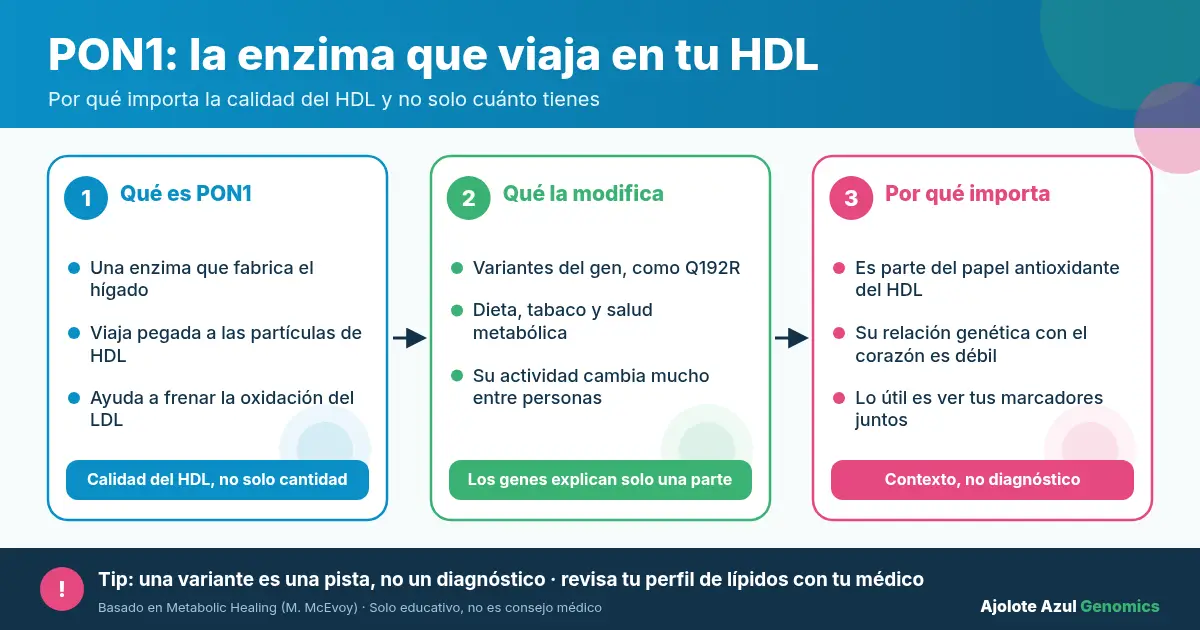
PON1 Gene: Function, HDL, and the Q192R Variant
What does the PON1 gene do? How it relates to paraoxonase, HDL cholesterol, and the Q192R variant—what the evidence shows and its limits.
7 min readRead more
Wellness
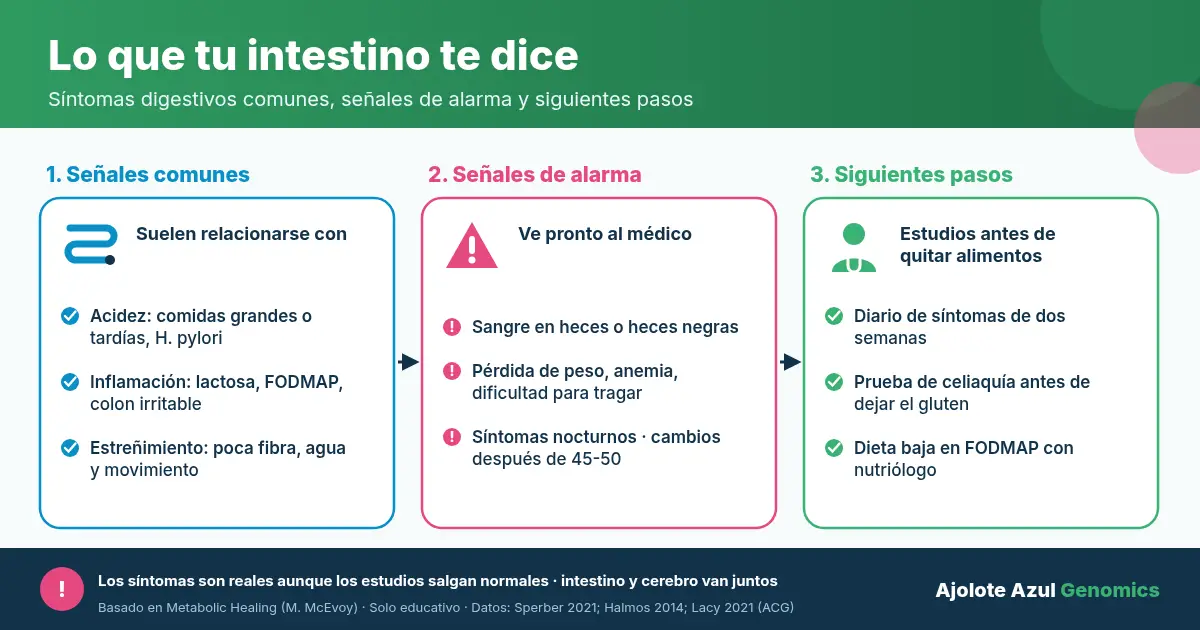
Digestive Symptoms: What Your Gut Is Telling You
Bloating, heartburn, or constipation can have several causes. Learn the warning signs and how a genetic test looks at lactose, gluten, and B12.
8 min readRead more

Wellness
How a Virus Infects a Cell and How the Body Defends
Step by step: how a virus hijacks a cell to multiply, and the defenses your body uses—interferons, sensors, and apoptosis.
5 min readRead more
Did you like this article?
Discover how you can optimize your health with a personalized nutrigenetic test