
Back to blog
Wellness
Pharmacogenetics versus prescribing: decide better
7 min read
Ajolote Azul Team
pharmacogenetics
prescribing
CYP2D6
drug metabolism
personalized medicine
genetic test
The same medication can relieve one person, do nothing for another, and cause a serious adverse reaction in a third. The difference is not always in the patient's discipline or in the quality of the prescription. Part of the explanation can be written in their DNA. In the conversation about pharmacogenetics versus prescribing, the question is not whether genetics will replace the doctor. It is how genetics can make each treatment decision more informed and safer.
A medical prescription is based on a diagnosis, symptoms, history, clinical studies, age, kidney or liver function, and previous treatments. Pharmacogenetics adds another layer of information: it analyzes genetic variants that influence the way the body metabolizes, transports, or responds to certain drugs. It is useful knowledge for a better conversation with the specialist, especially when a treatment does not work as expected or when there is a risk of side effects.
What changes between pharmacogenetics and conventional prescribing
Conventional prescribing starts from population evidence. A doctor selects a drug and a dose based on clinical guidelines, demonstrated efficacy, and the particular profile of their patient. It is an indispensable system and, for millions of people, it works very well.
Guidelines, though, work with averages. Two patients can have the same diagnosis and receive the same dose, yet process it differently. Some genetic variants make certain liver enzymes work more slowly; others make them work faster. In the first case, the medication can build up and raise the chance of toxicity. In the second, it can be cleared before it reaches a sufficient therapeutic effect.
Pharmacogenetics does not compete with prescribing. It complements it. It supplies a biological fact that stays stable throughout life and can help the professional judge whether it makes sense to keep a treatment, adjust the dose, watch more closely, or consider an alternative among the clinical options available.
Genes do not dictate an automatic prescription
A pharmacogenetic result is not an order to stop, start, or change medications on your own. That would be an unsafe use of genetic information. The medical decision must always integrate the diagnosis, how serious the condition is, other medications, allergies, liver and kidney function, pregnancy, habits, and laboratory results.
There are also clear limits. Not every medication has a clinically actionable genetic association, and not every relevant variant is included in every test. Pharmacogenetics offers probabilities and guidance, not absolute certainty. Its value grows when it is interpreted in context and communicated precisely to the treating doctor.
How pharmacogenetics acts in the body
Many medications need to be transformed by enzymes in order to be activated, inactivated, or cleared. Genes such as CYP2D6, CYP2C19, and CYP2C9 are well known because they encode enzymes that take part in the metabolism of many drugs. Depending on the inherited variants, a person can have slower, intermediate, normal, or faster metabolism for certain treatments.
Consider a medication that has to be activated in the liver to do its job. If the person has a variant associated with reduced activity of the responsible enzyme, they might get less benefit from the usual dose. For another drug that is cleared by that same pathway, reduced activity could raise its concentration and increase the risk of adverse effects.
The response can also depend on genes related to the therapeutic target, drug transport, or specific immune reactions. That is why a well designed test does not stop at saying "you metabolize fast" or "you metabolize slowly." It should translate the findings into implications that are understandable and clinically responsible.
When it is worth ordering a pharmacogenetic test
You do not have to wait for a bad experience with a medication. Pharmacogenetic information can be especially useful before or during treatments where adjusting the strategy in time makes a difference. It is relevant for people with polypharmacy, chronic illness, a history of adverse reactions, or long-term treatment.
It can also bring clarity when a medication has been ineffective despite following the directions properly, when it has caused effects that are hard to tolerate, or when the specialist is weighing options in areas such as mental health, pain, cardiology, gastroenterology, neurology, oncology, or anticoagulation. The exact usefulness depends on the drug, the variants analyzed, and the clinical guidelines available for that combination.
For someone focused on prevention and longevity, the benefit is not collecting genetic data. It is arriving at a visit with better questions: Does my genetic profile change the expected response? Does this dose need special monitoring? Is there an alternative the doctor considers more suitable? It is a way to take an active part in health care without displacing clinical judgment.
Pharmacogenetics versus prescribing: the best scenario is an integrated one
The comparison can look like a choice between technology and traditional medicine, but the most useful model integrates both. Prescribing brings the diagnosis, clinical experience, and follow-up. Pharmacogenetics brings an additional piece about individual biology. Neither replaces the other.
The responsible process starts with a sample, usually a cheek swab. A laboratory then performs targeted genotyping to identify relevant variants. The report should explain what was analyzed, what the estimated phenotype is, and which medications or drug families it might affect. Finally, an interpretation visit turns the result into an actionable conversation with the health professional.
At Ajolote Azul, the approach is meant to keep a genetic report from sitting in a file. The pharmacogenetic test comes with specialized interpretation so you can understand the results in plain language and prepare the next steps. The analysis is done with genetic privacy protocols and the backing of CLIA- and CAP-certified laboratories, a relevant point when the information is this personal.
What to bring to the visit after you receive results
A pharmacogenetic report is more useful when it arrives with current clinical information. Bring a complete list of prescribed medications, over-the-counter products, supplements, and doses. Include treatments you stopped because of side effects or lack of effect, along with allergies and relevant family history.
Avoid reading phrases such as "increased risk" or "slow metabolizer" in isolation. Ask the doctor whether that result applies to the medication you use, what evidence supports a possible change, and how the change would be monitored. Sometimes the recommendation will be to adjust the strategy; other times, to keep the treatment because the clinical response and the lab results show that it is working well.
Confidentiality deserves the same attention. Before you take a test, review how the data are protected, who can access them, and what use of the sample is authorized. Your genetic information is part of your personal health record and should be handled with clear protocols.
Precision starts before the next prescription
Pharmacogenetics does not promise medicine without uncertainty. It does let you reduce some of the trial and error that comes with certain treatments, and turn an unexpected reaction, a dose that is hard to tolerate, or an insufficient response into a conversation based on data.
Knowing your genetics does not mean self-medicating with more confidence. It means having better tools to ask questions, decide together with your specialist, and act sooner. When prescribing takes in the whole person, genes included, personalized health stops being a futuristic idea and becomes a concrete possibility at the next visit.
A
Ajolote Azul Team
Specialist in wellness, nutrition and holistic health. Passionate about sharing science-based knowledge to improve quality of life.
Keep Reading
Related Articles
Discover more content on this topic that might interest you
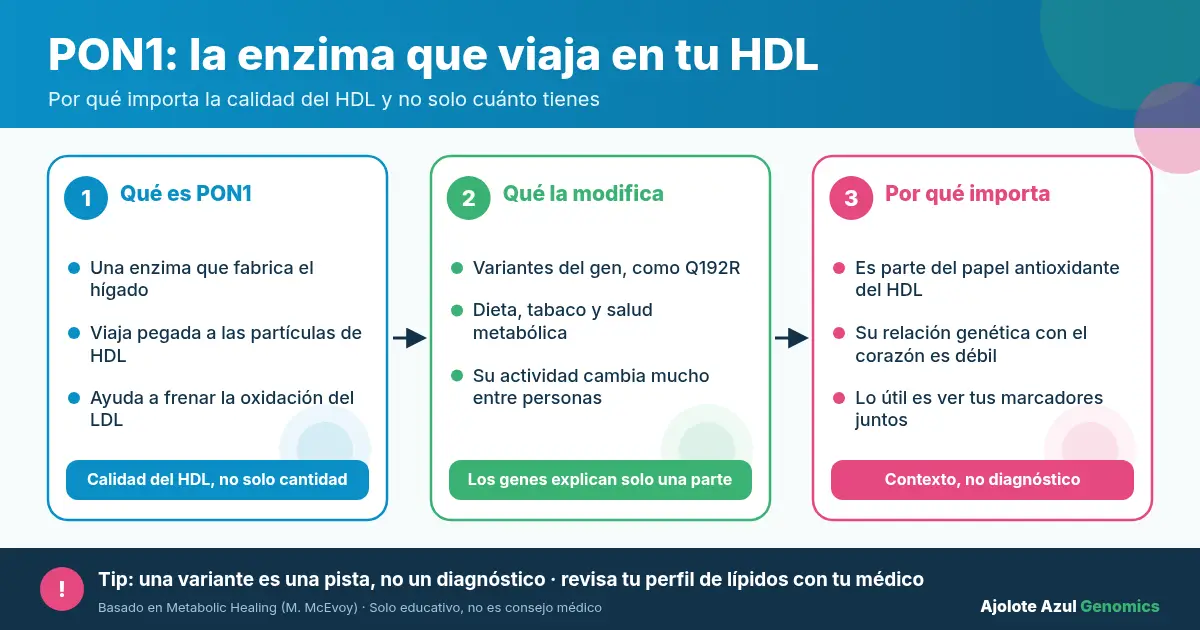
Wellness
PON1 Gene: Function, HDL, and the Q192R Variant
What does the PON1 gene do? How it relates to paraoxonase, HDL cholesterol, and the Q192R variant—what the evidence shows and its limits.
7 min readRead more
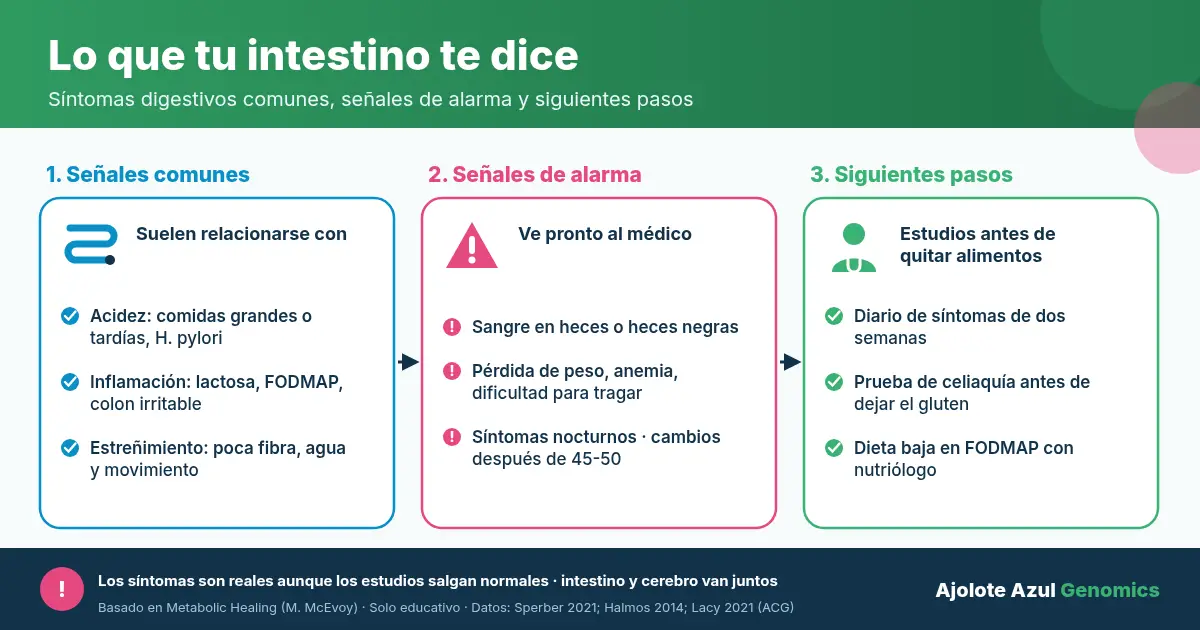
Wellness
Digestive Symptoms: What Your Gut Is Telling You
Bloating, heartburn, or constipation can have several causes. Learn the warning signs and how a genetic test looks at lactose, gluten, and B12.
8 min readRead more
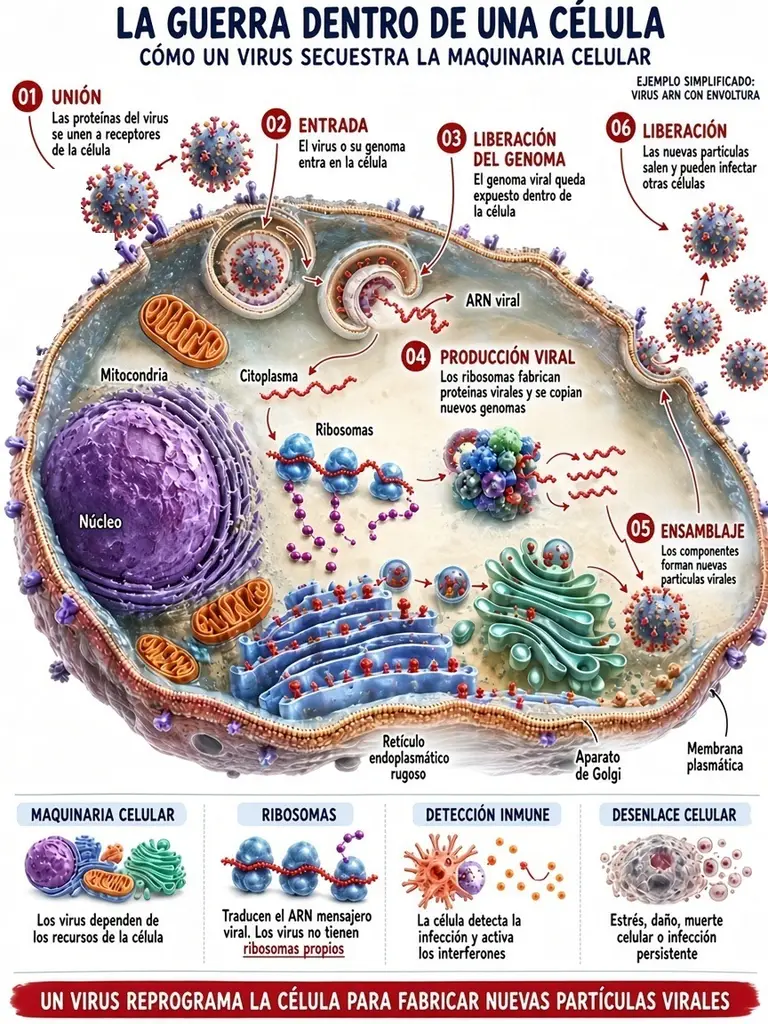
Wellness
How a Virus Infects a Cell and How the Body Defends
Step by step: how a virus hijacks a cell to multiply, and the defenses your body uses—interferons, sensors, and apoptosis.
5 min readRead more
Did you like this article?
Discover how you can optimize your health with a personalized nutrigenetic test