
Back to blog
Wellness
Genes, Caffeine, and Metabolism in Your Daily Energy
7 min read
Ajolote Azul Team
caffeine metabolism
CYP1A2
daily energy
nutrigenetics
sleep and caffeine
A coffee at 4 in the afternoon can be a useful boost for one person and a sleepless night for another. It is not always about tolerance, willpower, or habit: genes, caffeine, and metabolism are directly connected. Your DNA can influence how quickly your liver clears caffeine and how intensely you perceive its effects on energy, anxiety, focus, and sleep.
Knowing this information does not mean a genetic test decides for you whether you should drink coffee. It means you can move from general recommendations to a personal strategy: choosing the timing, the amount, and the source of caffeine that fits your goals for performance, rest, and metabolic health.
Caffeine genes and metabolism: what happens in your body
After you drink coffee, tea, energy drinks, or pre-workouts, caffeine is absorbed quickly and reaches the nervous system. There it temporarily blocks adenosine receptors, a molecule linked to the feeling of tiredness. That is why you may feel more alert, better focus, or more readiness to train.
The effect does not end there. Caffeine has to be processed mainly in the liver. The CYP1A2 enzyme does most of that work and turns caffeine into metabolites the body can clear. Variants in the CYP1A2 gene have been associated with differences in metabolic speed between people.
In simple terms, some people tend to process caffeine more quickly and others keep active concentrations for longer. This is not an absolute label of "fast metabolizer" or "slow metabolizer" that applies to every day of your life. It is a biological predisposition interpreted together with your habits, symptoms, and clinical context.
Another relevant gene is AHR, which helps regulate CYP1A2 activity. Genes such as ADORA2A, related to adenosine receptors, can help explain why two people with similar caffeine clearance experience different sensations: one may feel focused and another restless, with palpitations or trouble sleeping.
The same cup does not produce the same result
A cup of coffee does not have a fixed dose. The type of bean, how it is brewed, the serving size, and the drink you choose change the amount of caffeine considerably. An espresso, a filtered coffee, a black tea, and a pre-workout supplement do not necessarily produce the same response, even when the amounts are similar.
Genetics adds a useful layer to that variability. If your metabolism tends to be slower, a dose that seems moderate in the morning may still be active into the afternoon or night. If you are sensitive to the effects of caffeine as well, you might notice nervousness, reflux, tension, a subjective rapid heartbeat, or fragmented sleep.
By contrast, a person with a faster metabolism may feel that the effect fades sooner. That does not automatically make it a good idea to increase the dose. Chasing energy with more coffee can hide lack of sleep, poor recovery, meals that are not enough, or an excessive training load. Genetics guides decisions, but it does not replace the foundations of health.
Caffeine metabolism does not depend on DNA alone
A genetic result is stable, but the real activity of enzymes changes. Smoking, for example, can speed up CYP1A2 activity; when you quit tobacco, caffeine processing can change. Some medications, hormonal changes, pregnancy, liver health, and certain clinical conditions can alter the response as well.
Timing matters as much as dose. The half-life of caffeine usually falls within a range of several hours, although it can vary in important ways between individuals and circumstances. That is why someone who drinks coffee after a meal and says "I can still sleep" might sleep, yet have less deep sleep or more awakenings than they notice.
Tolerance counts too. Drinking caffeine every day can reduce the feeling of energy over time, without that meaning metabolism is more efficient. Tolerance describes an adaptation of the body; genotype refers to inherited variants. They are different concepts, and it helps not to mix them up.
How to use your results to make better decisions
The value of analyzing genes associated with caffeine is turning a technical data point into a plan you can test safely. If your results suggest slower clearance or greater sensitivity, a first step can be moving the final dose of the day earlier. If you train in the afternoon, it may be worth trying a stimulant-free pre-workout or saving caffeine for specific sessions.
If your profile points to faster metabolism and you have no adverse effects, the goal is not to consume more as a rule either. It can be more useful to define the minimum dose with which you get focus or performance, and to keep coffee from replacing rest, adequate hydration, or enough food.
A practical strategy is to watch, for two weeks, the time, the type of drink, the approximate amount, and the effect on your sleep. Record how long it takes you to fall asleep, whether you wake during the night, your energy the next day, and any symptom such as anxiety or gastrointestinal discomfort. Then adjust one variable at a time. This approach helps you tell a real trend from an isolated impression.
For people with hypertension, arrhythmias, intense anxiety, persistent insomnia, pregnancy, breastfeeding, or use of several medications, caffeine intake deserves a personal conversation with their physician. A genetic analysis can add context, but it does not replace clinical evaluation and should not be used to change treatments.
Who can benefit from knowing their genetics?
This kind of information is especially valuable if coffee helps you on some days and unsettles you on others without a clear explanation. It can also be useful for athletes who want to use caffeine strategically, professionals with demanding schedules, people with sleep problems, or anyone who wants to adjust nutrition to improve energy and recovery.
In a consultation, the results can open more precise questions: Does my afternoon coffee affect my rest? Does my anxiety line up with energy drinks? Do I need to review the dose of a supplement? Is my feeling of fatigue solved by caffeine, or does another cause need to be investigated? These are better questions than simply asking whether coffee is "good or bad."
A nutrigenetic test with professional interpretation lets you integrate these variants with other areas related to nutrition, inflammatory response, habits, and personal goals. At Ajolote Azul, the usefulness is not only in receiving a digital report, but in translating targeted genotyping into clear decisions for your routine.
What a genetic test can and cannot tell you
A test can identify variants associated with the activity of metabolic pathways and with individual sensitivity to caffeine. It can help you design reasonable hypotheses about your response and prioritize measurable adjustments in timing, dose, and type of product.
It cannot predict with certainty how you will react to every cup, diagnose a disease, or justify high intake. Genetic evidence in nutrition becomes more useful when it is combined with personal history, sleep quality, diet, exercise, medications, and symptom tracking.
Privacy matters too. Before any test, check how your sample is processed, which method is used, who will have access to the results, and whether you will receive support to interpret them. A genetic data point without context can create confusion; a well-explained data point can become prevention and action.
Your coffee does not have to be an automatic habit or a rule you impose on yourself. Knowing your genetics lets you observe with more precision, experiment with intention, and choose a routine that supports your energy without sending the bill to your rest.
A
Ajolote Azul Team
Specialist in wellness, nutrition and holistic health. Passionate about sharing science-based knowledge to improve quality of life.
Keep Reading
Related Articles
Discover more content on this topic that might interest you
Wellness
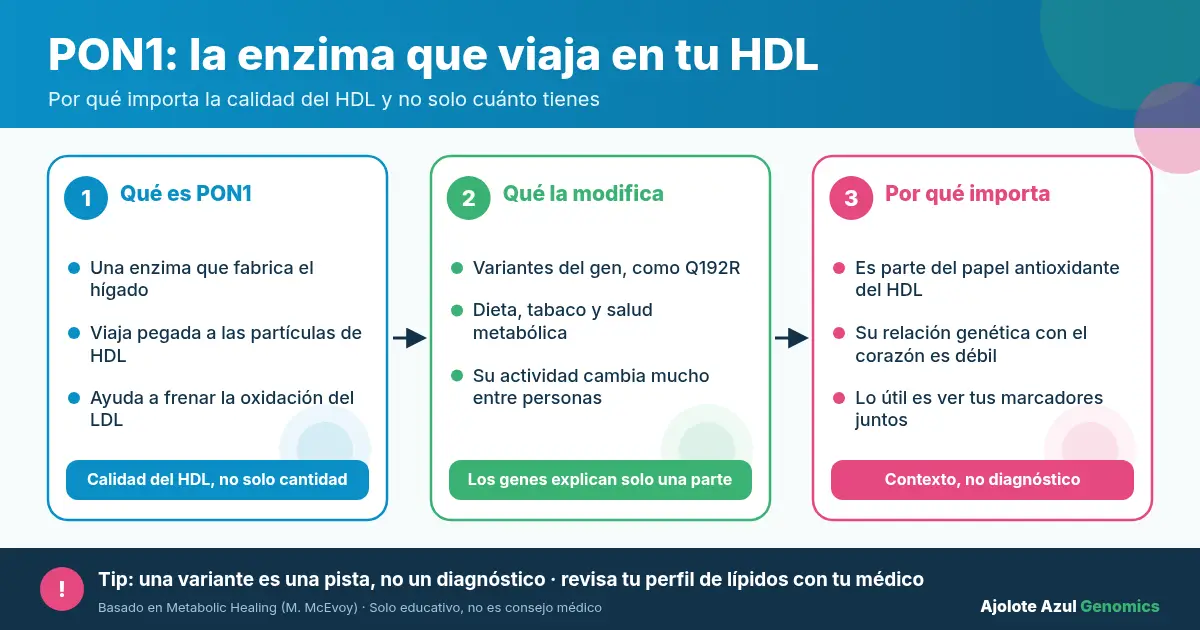
PON1 Gene: Function, HDL, and the Q192R Variant
What does the PON1 gene do? How it relates to paraoxonase, HDL cholesterol, and the Q192R variant—what the evidence shows and its limits.
7 min readRead more
Wellness
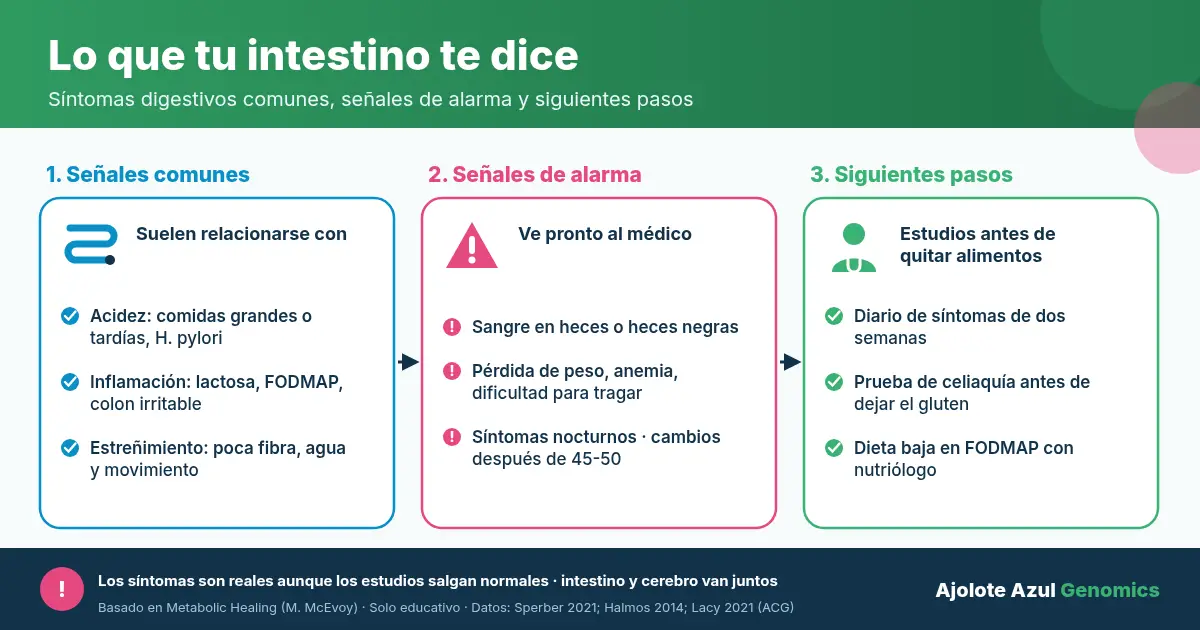
Digestive Symptoms: What Your Gut Is Telling You
Bloating, heartburn, or constipation can have several causes. Learn the warning signs and how a genetic test looks at lactose, gluten, and B12.
8 min readRead more
Wellness
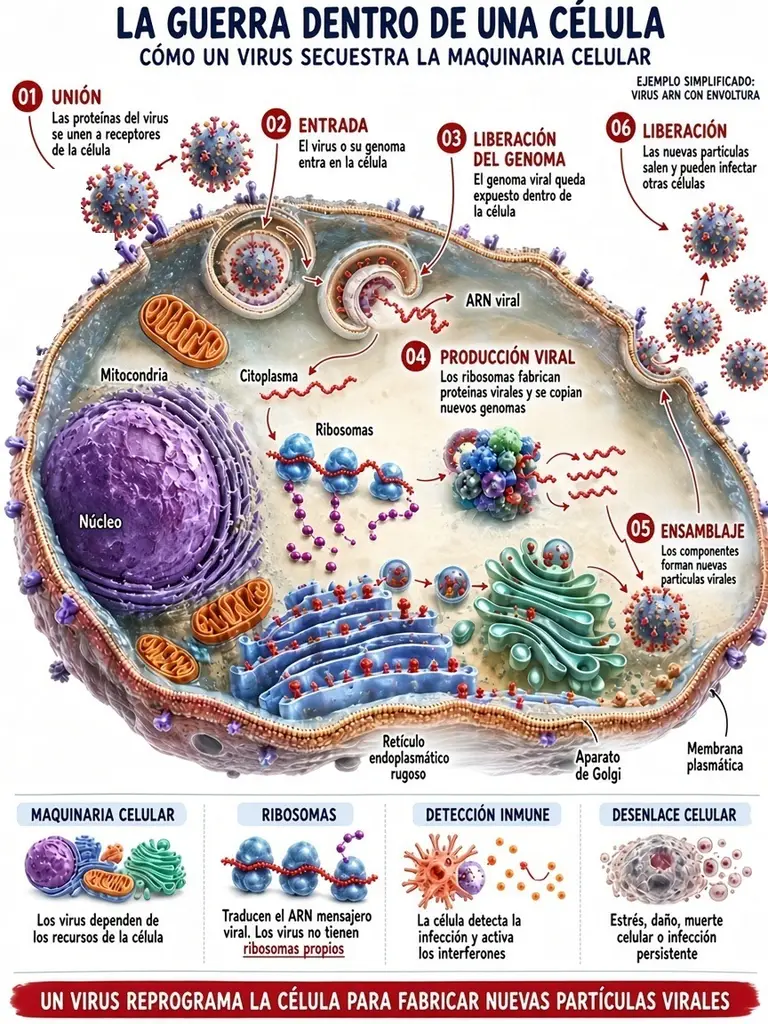
How a Virus Infects a Cell and How the Body Defends
Step by step: how a virus hijacks a cell to multiply, and the defenses your body uses—interferons, sensors, and apoptosis.
5 min readRead more
Did you like this article?
Discover how you can optimize your health with a personalized nutrigenetic test