
Back to blog
Wellness
Which Genes Affect Medications, and Why It Matters
7 min read
Ajolote Azul Team
pharmacogenetics
medication response
CYP450 genes
drug metabolism
personalized medicine
One person can take the standard dose of a medication and feel no improvement, while another has intense side effects with the same prescription. Part of the explanation lies in which genes affect medications: small variations in DNA can change the speed at which your body processes a treatment, the amount that reaches its target, and the response it produces.
Pharmacogenetics studies this relationship between genes and medications. It does not replace diagnosis, medical assessment, or clinical follow-up, but it adds a useful layer of information for asking more precise questions before starting, changing, or adjusting certain treatments. This matters especially if you have had adverse reactions, several medications at the same time, or unpredictable responses.
Which genes affect medications in practice
The genes relevant to drug response usually take part in three processes: metabolism, transport, and pharmacological action. Not every medication has a genetic association useful for decision-making, but in some therapeutic areas the evidence makes it possible to anticipate risks or explain important differences between patients.
Metabolizing genes: speed is not the same for everyone
Liver enzymes transform many medications so they can act, become inactive, or be cleared. Variants in CYP450 family genes can cause a person to metabolize certain drugs more slowly, at a usual rate, or faster than expected.
Among the genes most often assessed are CYP2D6, CYP2C19, CYP2C9, CYP3A4, and CYP3A5. Their variants are associated with the response to medications used in mental health, pain control, cardiology, gastroenterology, and other clinical settings.
For example, CYP2D6 takes part in the metabolism of various antidepressants, some analgesics, and other common treatments. If a person has reduced metabolic activity for a specific substance, a usual dose could raise blood levels further and increase the likelihood of adverse effects. If activity is very high, the drug may be cleared before it reaches the expected effect. The right response is not always to lower or raise a dose: sometimes the physician may consider another therapeutic alternative.
CYP2C19 is relevant, among other cases, for some proton pump inhibitors, antidepressants, and antiplatelet agents. With the latter, insufficient activation of the medication can have serious clinical consequences in selected patients. That is why a genetic result only gains real value when it is interpreted together with the reason for treatment and the medical history.
Transporter genes: the medication has to reach where it is needed
Metabolizing a drug is not enough. It also has to cross cell membranes, reach certain tissues, and stay at an adequate concentration. Genes such as SLCO1B1 are involved here. It encodes a hepatic transporter involved in the uptake of some statins.
Certain SLCO1B1 variants have been associated with greater exposure to specific cholesterol medications and with a higher risk of muscle symptoms in particular contexts. This does not mean that everyone with a variant will develop muscle pain, or that they should stop a treatment. It means there is an additional data point so the professional can weigh the drug, the dose, interactions, and clinical monitoring.
Transporters also help explain why the same combination of drugs does not behave the same way in everyone. Genetics matters, but so do liver and kidney function, age, diet, alcohol use, smoking, and supplements.
Target genes: when the effect depends on the biological target
Other genes do not mainly change the speed of elimination. They change sensitivity to the medication or the risk of a specific reaction. In oncology, for example, some tumor biomarkers help select targeted therapies. In this case, acquired genetic changes in cancer cells are often analyzed, not necessarily inherited variants present throughout the body.
There are also genes relevant to preventing severe hypersensitivity reactions to specific medications. The HLA genes are one example: certain variants are associated with a higher risk of immune reactions to some treatments. Clinical usefulness depends on the medication, the variant assessed, and the population, so this is not a general test for every prescription.
The best-known genes in pharmacogenetics
A pharmacogenetic panel can include different genes depending on its purpose and the available evidence. Among the most studied are CYP2D6, CYP2C19, CYP2C9, CYP3A4, CYP3A5, SLCO1B1, TPMT, NUDT15, DPYD, VKORC1, and selected HLA variants.
TPMT and NUDT15, for example, are relevant for some medications used in autoimmune diseases and certain types of cancer. Reduced activity can increase exposure to metabolites that damage bone marrow, so knowing the profile before or during treatment can guide dose intensity and monitoring.
DPYD can be important in treatments with fluoropyrimidines, used in several cancers. Some variants are associated with a lower capacity to process these drugs and with potentially severe toxicity. In these scenarios, pharmacogenetics stops being a wellness curiosity and becomes a high-value clinical conversation.
VKORC1, together with CYP2C9 and other clinical factors, influences the response to warfarin. The therapeutic decision is not defined by DNA in isolation. Laboratory results, bleeding risk, diet, concomitant diseases, and medications taken at the same time remain decisive.
What a genetic result can tell you, and what it cannot
Pharmacogenetics can identify variants associated with slow, intermediate, normal, or rapid metabolism of certain medications. It can flag a possible higher risk of toxicity, a reduced response, or an alternative worth discussing with your physician. It can also help organize a history of side effects that seemed hard to explain.
A result does not predict with absolute certainty which medication will work best for you. Genetics on its own does not measure disease severity, treatment adherence, interactions, the microbiota, body weight, kidney function, or the full clinical context. Two people with the same genetic profile may need different decisions.
That is the difference between receiving data and getting a responsible interpretation. A report should translate the variants found into specific medications and therapeutic categories, indicate the level of relevance, and make clear when validation or a specialized medical decision is required.
When a pharmacogenetic test is worth considering
This type of analysis can be especially useful if you have had unexpected adverse effects, if a treatment has not responded after several reasonable attempts, or if you take several medications at the same time. It can also provide information before you use some drugs with well-established pharmacogenetic associations.
In people with chronic diseases, persistent pain, mental health disorders, cardiovascular conditions, or a history of cancer, knowing the genetic profile can make the conversation with specialists more productive. The point is not to arrive at the visit with an instruction to change a prescription, but with organized information so you can decide better.
At Ajolote Azul, a PGx analysis starts with a buccal swab sample sent to your home and focuses on genetic variants of pharmacogenetic usefulness. The value lies in completing the process with specialized interpretation: understanding which results may be relevant to your clinical history, which questions to take to your physician, and which decisions should never be made without supervision.
How to use your report without making mistakes
The first step is to share the report with the physician who prescribes or follows your treatment. Also bring an updated list of prescription medications, over-the-counter drugs, supplements, and doses. An interaction between substances can completely change the effect expected from genetics.
The second step is to review the context. A CYP2D6 variant may be relevant for one medication and have no implication for another. In the same way, a result that suggests rapid metabolism does not automatically mean you should increase a dose. Adjustments depend on clinical guidelines, symptoms, biomarkers, and professional evaluation.
Finally, protect your data. Your genetic information is sensitive and deserves clear protocols for privacy, informed consent, and responsible handling. Look for services that explain what is analyzed, how it is reported, which laboratory processes the sample, and who can access the results.
Knowing your genetics does not replace a good medical visit, but it can transform one. If you have lived through treatments that did not work as you expected, that information can help you move from uncertainty to a clearer, more personal, and more useful conversation about your health.
A
Ajolote Azul Team
Specialist in wellness, nutrition and holistic health. Passionate about sharing science-based knowledge to improve quality of life.
Keep Reading
Related Articles
Discover more content on this topic that might interest you
Wellness
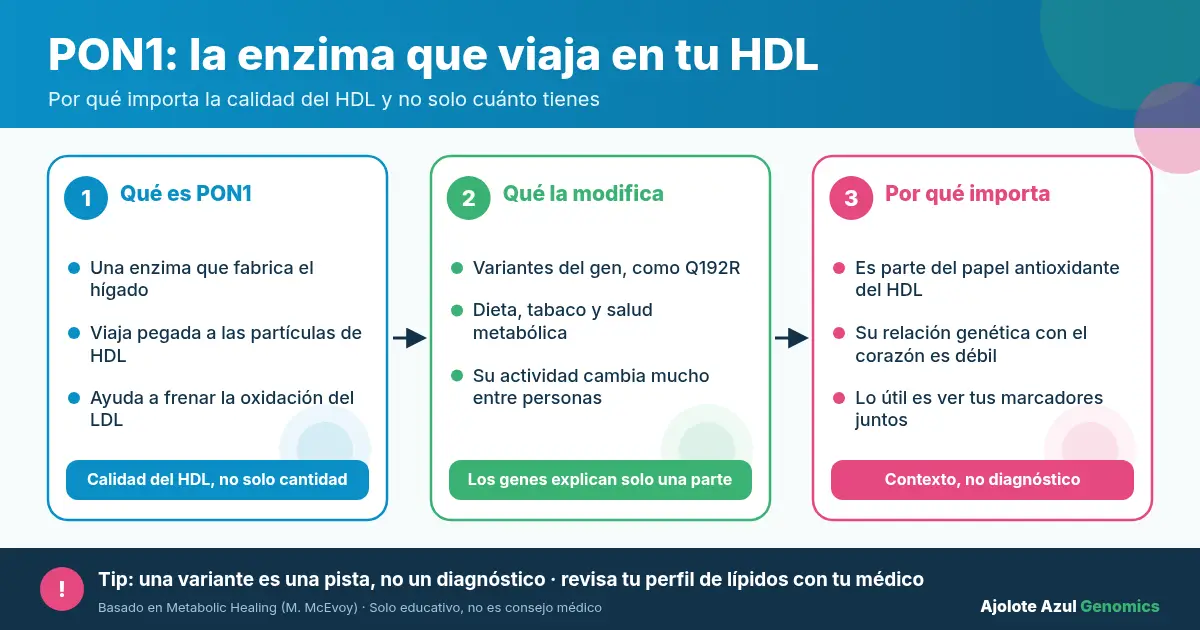
PON1 Gene: Function, HDL, and the Q192R Variant
What does the PON1 gene do? How it relates to paraoxonase, HDL cholesterol, and the Q192R variant—what the evidence shows and its limits.
7 min readRead more
Wellness
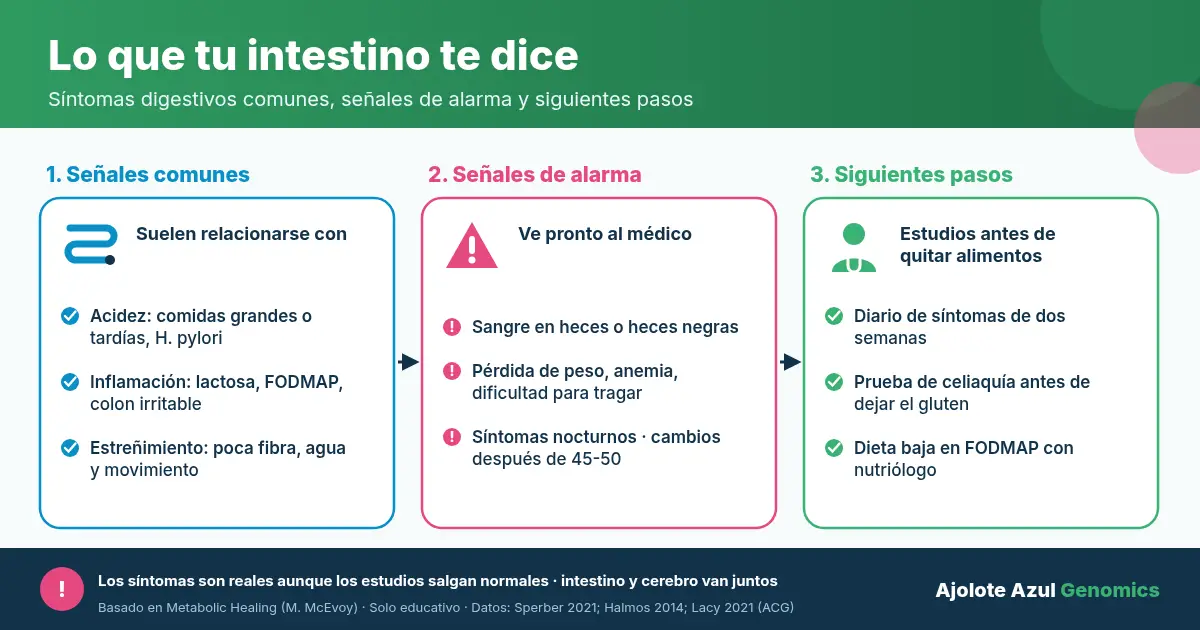
Digestive Symptoms: What Your Gut Is Telling You
Bloating, heartburn, or constipation can have several causes. Learn the warning signs and how a genetic test looks at lactose, gluten, and B12.
8 min readRead more

Wellness
How a Virus Infects a Cell and How the Body Defends
Step by step: how a virus hijacks a cell to multiply, and the defenses your body uses—interferons, sensors, and apoptosis.
5 min readRead more
Did you like this article?
Discover how you can optimize your health with a personalized nutrigenetic test