
Back to blog
Wellness
Pharmacogenetic example in an oncology patient
6 min read
Ajolote Azul Team
pharmacogenetics
oncology
DPYD
capecitabine
5-FU
drug toxicity
The same dose of chemotherapy can help one person and cause severe toxicity in another. The difference is not always in weight, age, or tumor stage: in certain treatments, an inherited genetic variant changes the way the body processes the medication. This pharmacogenetic example in an oncology patient shows why knowing that information before starting a therapy can make the conversation with the oncologist more precise.
We are talking about pharmacogenetics, the study of genetic variants that influence the response to drugs. In oncology, its value is not choosing a treatment on your own or replacing studies of the tumor. Its role is to add a layer of safety and personalization so the treating team can weigh dose, alternatives, and clinical monitoring with more context.
Pharmacogenetic example: capecitabine and a DPYD variant
Imagine Mariana, 52, with colorectal cancer. After surgery and clinical studies, her oncologist prescribes a regimen that includes capecitabine, an oral medication widely used in different types of cancer. Capecitabine is converted in the body into 5-fluorouracil, also known as 5-FU, a drug that works, but with the potential to cause important adverse effects.
Before starting, Mariana requests a pharmacogenetic test. The analysis identifies a variant in the DPYD gene associated with reduced activity of the enzyme dihydropyrimidine dehydrogenase, or DPD. This enzyme takes part in clearing 5-FU. If its activity is lower, the medication can stay longer or reach higher concentrations than expected.
The result does not say Mariana cannot receive capecitabine. It also does not predict with certainty that she will have toxicity. What it signals is that her risk may be higher and that a standard dose might not be the safest starting point. With that information, the oncologist can review clinical guidelines, confirm the relevance of the variant found, consider an initial dose reduction or another strategy, and set closer monitoring.
The final decision always depends on the whole case: diagnosis, curative or palliative intent, kidney and liver function, previous treatments, concomitant medications, nutritional status, and the institution's protocols. Genetics orients; clinical medicine integrates.
What toxicity are we trying to prevent?
In people with reduced DPD activity, fluoropyrimidines such as capecitabine and 5-FU can be associated with a higher risk of severe diarrhea, painful inflammation of the mucous membranes, neutropenia, infection, hand-foot syndrome, and hospitalization. These are not minor discomforts that simply have to be tolerated. In certain situations, they can force cycles to be delayed or the treatment to be stopped.
Having pharmacogenetic information before the first dose opens a concrete opportunity: anticipate, instead of reacting after a serious event. For Mariana, this can translate into a more individualized plan from the start, with clear warning signs and adjustments made under medical supervision.
What this result does change, and what it does not
A DPYD report can change the quality of the clinical conversation. Instead of asking only "what are the side effects?", Mariana can ask whether her genetic profile changes how capecitabine is managed, what the dosing strategy would be, and which symptoms need immediate attention.
The result does not replace follow-up, though. Even if a person has none of the DPYD variants that were analyzed, they can develop toxicity for many reasons. In the same way, a risk variant does not by itself mean the medication is contraindicated. The response depends on the specific variant, on whether it is present in one or both copies of the gene, on the available evidence, and on the specialist's assessment.
Pharmacogenetics should also not be confused with tumor genomics. A tumor study looks for alterations acquired by the cancer cells, such as biomarkers that can help select targeted therapies or immunotherapy. A pharmacogenetic study usually evaluates inherited DNA, present from birth, to understand how the body metabolizes or responds to certain medications. Both tools can be relevant, but they answer different questions.
Other situations where pharmacogenetics can help
The DPYD case is one of the best known, but it is not the only one. In some regimens that include irinotecan, variants in UGT1A1 can be related to a higher risk of neutropenia or diarrhea, especially at certain doses. In treatments for acute leukemias, the genes TPMT and NUDT15 can provide useful information for managing thiopurines. There are also variants that influence supportive medications, such as antiemetics, pain relievers, or anticoagulants used during cancer care.
The usefulness is not identical for every tumor or every treatment. That is why a well chosen test starts from a specific clinical question: Which medication is planned? Which genes have applicable evidence? Could the result change a real decision? Ordering large panels without interpretation can produce data that are hard to use and unnecessary anxiety.
When it makes sense to consider a pharmacogenetic study
The best time is usually before treatment begins, while there is still room to plan. It can also be relevant if a person had out-of-proportion toxicity with a drug, if they need several medications at once, or if their oncologist is considering a regimen where recognized pharmacogenetic recommendations exist.
For patients and families, the goal is not to arrive at the visit with a closed conclusion. It is to arrive with better questions. A responsible result should identify the gene and the variants evaluated, explain its limits, and be translated through a specialized consultation. Receiving a label such as "intermediate metabolizer" without context is not enough for clinical decisions.
At Ajolote Azul, the value of a pharmacogenetic approach is turning targeted genotyping into a practical and safe conversation: what finding exists, which medications it may involve, and what information is worth sharing with the treating doctor. A cheek-swab sample lets you start the process from home, but interpretation remains the decisive part.
How to take the result to the oncology visit
If you already have a pharmacogenetic report, or you are considering one, share the full document with your oncologist, not only a screenshot with the gene name. Ask which variant was identified, what level of evidence it has for the proposed medication, and whether the recommendation applies to your specific dose and regimen.
It is also worth clarifying how safety will be monitored: which laboratory studies will be checked, which symptoms warrant an immediate call, and when you will evaluate whether the adjustment is working. In Mariana's case, pharmacogenetics does not remove the uncertainty inherent in cancer treatment. It does let the clinical team face that uncertainty with additional information before a preventable toxicity appears.
Privacy deserves attention too. Genetic data are sensitive information and should be handled with informed consent, clear storage protocols, and a transparent explanation of the scope of the analysis. Before any test, it is worth knowing which genes are studied, how results are reported, and who will have access to them.
Cancer calls for complex decisions, but precision does not always start with distant technology. Sometimes it starts with a simple sample, a well interpreted variant, and a better question in the visit: "Does my genetics change the safest way to receive this medication?"
A
Ajolote Azul Team
Specialist in wellness, nutrition and holistic health. Passionate about sharing science-based knowledge to improve quality of life.
Keep Reading
Related Articles
Discover more content on this topic that might interest you
Wellness
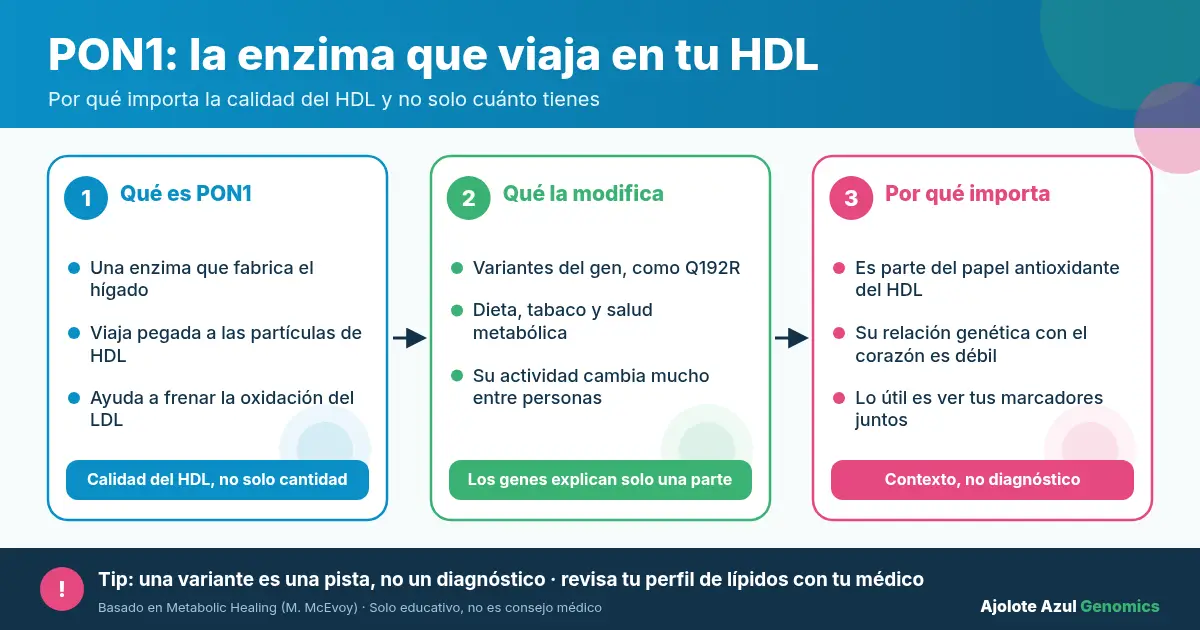
PON1 Gene: Function, HDL, and the Q192R Variant
What does the PON1 gene do? How it relates to paraoxonase, HDL cholesterol, and the Q192R variant—what the evidence shows and its limits.
7 min readRead more
Wellness
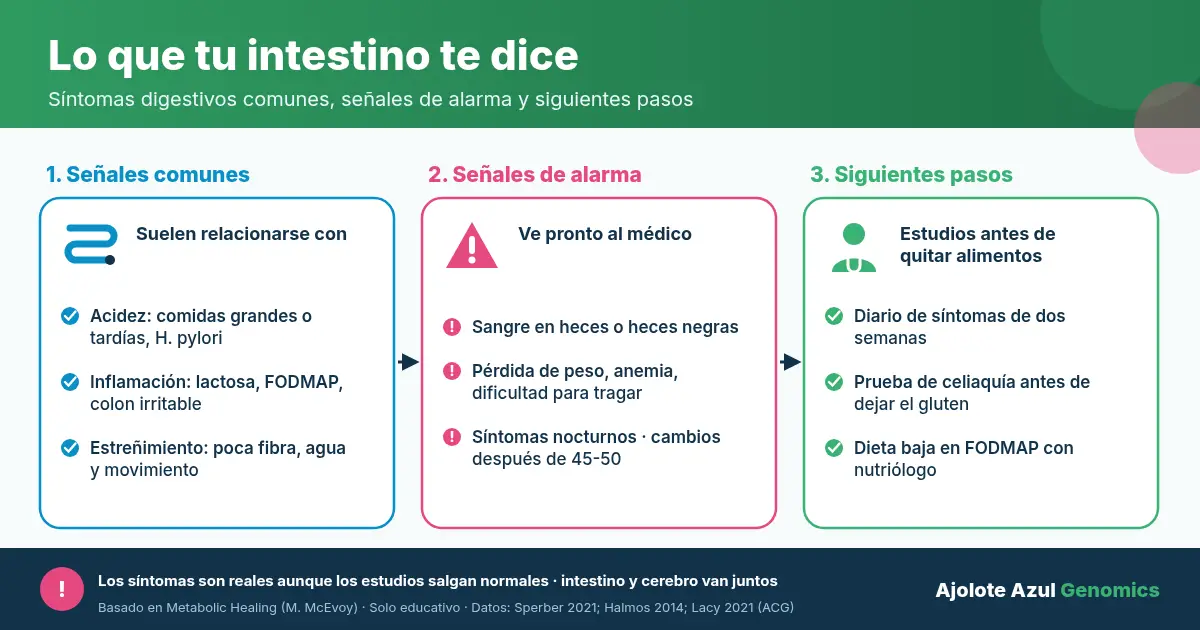
Digestive Symptoms: What Your Gut Is Telling You
Bloating, heartburn, or constipation can have several causes. Learn the warning signs and how a genetic test looks at lactose, gluten, and B12.
8 min readRead more
Wellness
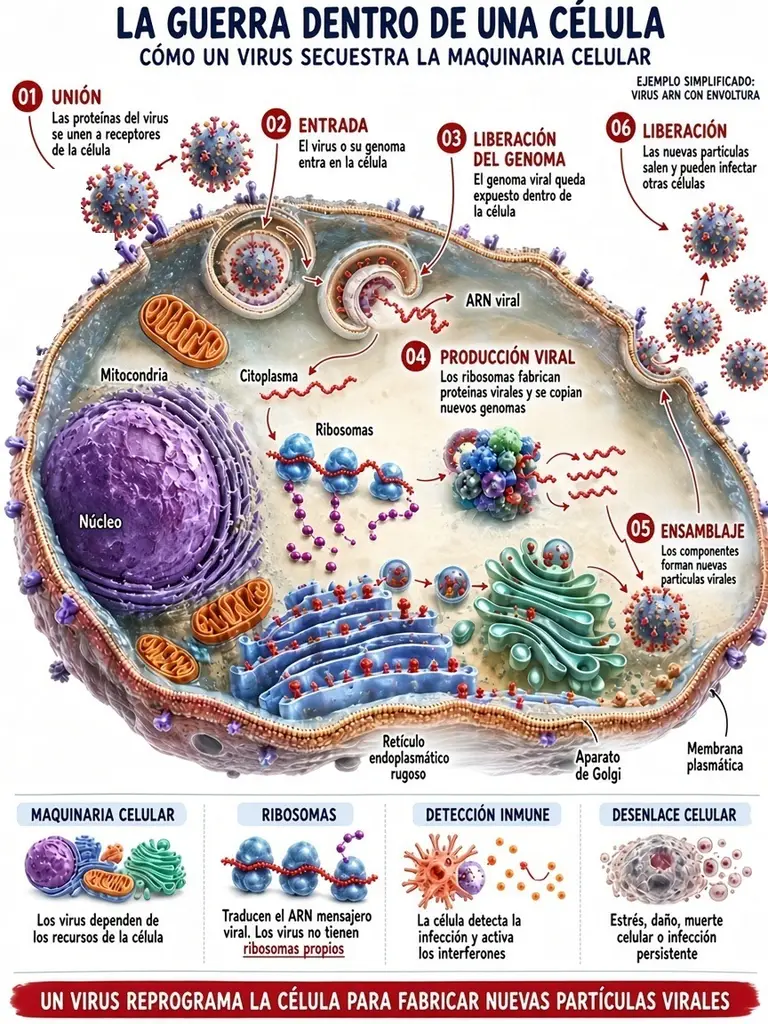
How a Virus Infects a Cell and How the Body Defends
Step by step: how a virus hijacks a cell to multiply, and the defenses your body uses—interferons, sensors, and apoptosis.
5 min readRead more
Did you like this article?
Discover how you can optimize your health with a personalized nutrigenetic test