Back to blog
Wellness
Iron and the Thyroid: Why They Often Go Together
8 min read
Ajolote Azul Team
iron deficiency
hypothyroidism
thyroid peroxidase
ferritin
heme iron
nutrigenetics
Based on the work of our partners at Metabolic Healing (Michael McEvoy). Read the original article: Iron Deficiency & Hypothyroidism: Common Patterns
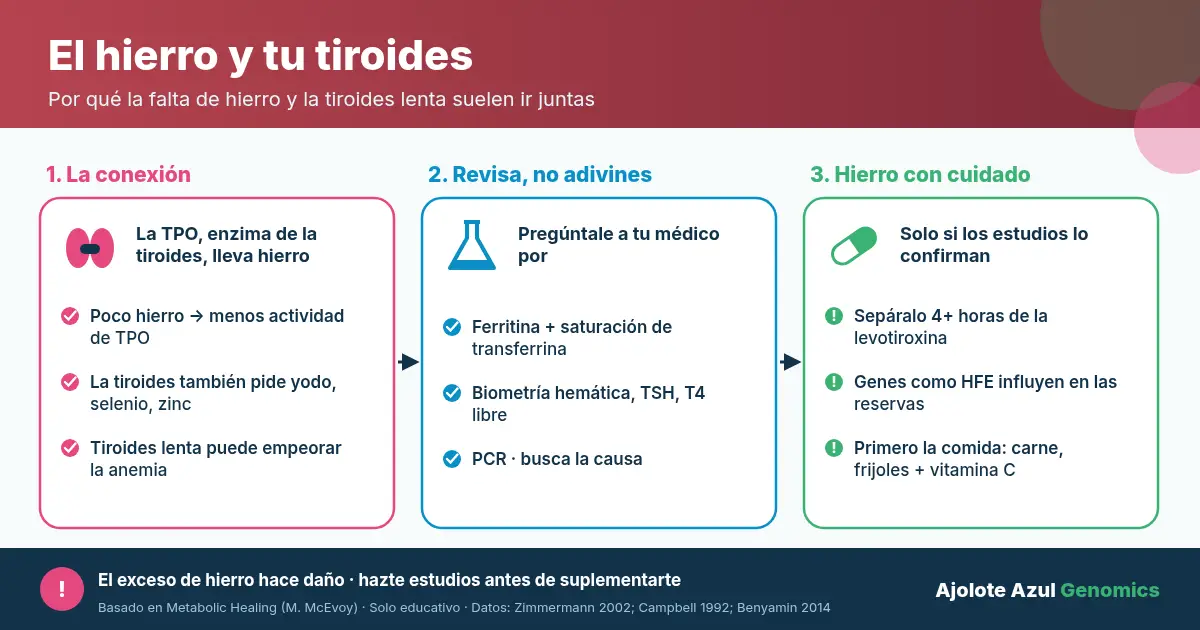
Iron and the thyroid are linked: the TPO enzyme, which makes thyroid hormone, contains iron, so a lack of iron can affect how it works. That is why the symptoms look alike and the two conditions often show up together. Before you take an iron supplement, talk with your doctor and have your labs checked.
Feeling drained, cold, and foggy is easy to pin on the thyroid. Another very common problem can look similar, or make that picture worse: iron deficiency. The two conditions coincide more often than many people expect, and each one can keep the other going.
This guide explains how iron and thyroid hormone depend on each other, which tests help sort things out, and why it is worth talking with your doctor before you take iron supplements.
Two kinds of underactive thyroid
Hypothyroidism means the thyroid does not make enough hormone (T4 and its active form, T3). In many cases the cause is autoimmune. In Hashimoto's thyroiditis, the immune system attacks the gland, often an enzyme called thyroid peroxidase (TPO). That is why a doctor sometimes orders "anti-TPO" antibodies. Other cases have different causes, such as surgery, radiation, some medications, or problems with iodine.
Because almost every cell responds to thyroid hormone, a slow thyroid can affect energy, body temperature, digestion, cholesterol, mood, and menstrual cycles.
Why the thyroid needs iron
TPO is the enzyme that attaches iodine in order to make thyroid hormone, and it contains heme, the same iron-bearing structure found in hemoglobin. Reviews of nutrition and the thyroid put it plainly: iron deficiency reduces TPO activity and impairs thyroid hormone synthesis. The same authors note that the thyroid also depends on iodine, selenium, and zinc, and that several of these deficiencies at once can weaken thyroid function even further. Iron deficiency anemia can even make iodine supplements work less well 1.
Research in animals shows the size of the effect. In young rats fed low-iron diets for four weeks, hemoglobin, T3, and T4 fell, and TPO activity dropped by between 33% and 56%, depending on how severe the deficiency was 2. It was a rat study, so the figures do not carry over unchanged to people, but they support the idea that iron matters for the thyroid.
The relationship also runs the other way. Too little thyroid hormone can slow the bone marrow, and it has been linked with digestive changes that could reduce mineral absorption, so people with hypothyroidism can develop anemia as well. The result can be a cycle in which one problem feeds the other.
Iron deficiency is common, and it is not always anemia
Iron deficiency is one of the leading causes of ill health worldwide. It especially affects girls and boys, women who menstruate, and people with fewer resources. One important point: you can have symptoms and problems from low iron before your hemoglobin falls into the anemia range 3.
A normal hemoglobin does not always settle the question. Ask your doctor for a fuller picture:
- Ferritin (iron stores)
- Transferrin saturation and serum iron
- Complete blood count
- TSH, free T4 and, when relevant, anti-TPO antibodies
- CRP (C-reactive protein), because inflammation can raise ferritin and hide a deficiency
The same review insists that the cause of low iron always has to be looked for: heavy periods, pregnancy, diet, bleeding in the digestive tract, or poor absorption. Celiac disease is often worth ruling out, and men and postmenopausal women with iron deficiency anemia usually need an endoscopy to look for bleeding 3.
Iron supplements: useful, but not on your own
Once deficiency is confirmed, your doctor may consider oral iron as a first option, or intravenous iron when tablets do not work or are not tolerated 3. Taking iron "for the thyroid" without labs is a poor idea:
- Too much iron causes harm. Some people carry genetic variants that make them absorb and store extra iron (hemochromatosis). In them, supplements can damage the liver, the heart, and the joints.
- More is not always absorbed. A hormone called hepcidin rises after high doses of oral iron and during inflammation, and it limits how much you absorb 3. That is why your doctor may suggest a specific dose or a specific time of day.
- Iron can block your thyroid medication. In a small study of 14 people with hypothyroidism on a stable dose of thyroxine (levothyroxine), taking a ferrous sulfate tablet at the same time every day for 12 weeks raised mean TSH from 1.6 to 5.4 mU/L, and nine patients had more symptoms of hypothyroidism. In the laboratory, the iron bound directly to the hormone 4. Most guidance suggests separating them by at least four hours. Check with your doctor or pharmacist before you change your schedule. Calcium and some antacids can interfere in a similar way.
Your genes and iron
The way your body handles iron is partly inherited. A large genetic study of up to 48,972 people found 11 regions of the genome linked with iron levels, including well-known genes such as HFE, TF, TFR2, and TMPRSS6 5. Variants like these help explain why two people who eat in a similar way can have very different ferritin results, and why a doctor should weigh iron supplements carefully in some people.
Genetics does not replace blood tests. It adds context. Together with your doctor, it can help you understand why your levels look the way they do.
Do your genes influence your iron?
They can. The NGx nutrigenetic test analyzes 70 markers in 59 genes and includes iron markers, both for iron overload and for low iron status. It does not diagnose any disease and it does not assess your thyroid. It is information to discuss with your doctor. Learn about the Ajolote Azul genetic test and see another example of how genes influence nutrients in the VDR gene and vitamin D.
Food first: iron from your plate
- Heme iron (the form that is absorbed best): red meat, liver, chicken, fish, and shellfish.
- Non-heme iron: beans, lentils, spinach, quelites (wild greens), amaranth, fortified cereals, and pumpkin seeds.
- Pair plant iron with vitamin C: lemon on beans, salsa, guava, orange, or bell pepper improves absorption.
- Keep coffee and tea away from iron-rich meals, because they reduce absorption.
- Cover the thyroid's other nutrients: iodized salt and seafood (iodine); fish, eggs, and occasionally one Brazil nut (selenium); and meat, seeds, and beans (zinc).
Frequently asked questions
Can a lack of iron cause hypothyroidism?
A lack of iron can reduce the activity of TPO, the enzyme that makes thyroid hormone, and research links iron deficiency with poorer thyroid function. It is usually one factor among several, so it makes sense to check both iron and the thyroid.
Should I take iron if I have hypothyroidism?
Only if tests confirm that you need it. Your doctor will review ferritin, transferrin saturation, and a complete blood count, and will look for the cause of the deficiency before choosing a dose.
How long should I separate iron from levothyroxine?
A gap of at least four hours is usually recommended, because iron can bind the hormone and reduce its effect. Ask your doctor or pharmacist about the schedule that fits you.
Do genes influence iron levels?
Yes. Variants in genes such as HFE, TF, and TMPRSS6 influence how iron is absorbed, transported, and stored. That is one reason levels differ so much from person to person.
Turn your genes into a practical plan
- Nutrigenetic test NGx: 70 markers in 59 genes, with a 60-minute 1-on-1 consult included. $9,880 MXN.
- Pharmacogenetic test PGx: how you process more than 200 medications (51 genes). $9,800 MXN.
- NGx + PGx combo: $15,750 MXN. See the tests
References
- Zimmermann MB, Köhrle J. The impact of iron and selenium deficiencies on iodine and thyroid metabolism: biochemistry and relevance to public health. Thyroid. 2002;12(10):867-878. doi:10.1089/105072502761016494. PubMed 12487769 · doi:10.1089/105072502761016494
- Hess SY, Zimmermann MB, Arnold M, Langhans W, Hurrell RF. Iron deficiency anemia reduces thyroid peroxidase activity in rats. J Nutr. 2002;132(7):1951-1955. doi:10.1093/jn/132.7.1951. PubMed 12097675 · doi:10.1093/jn/132.7.1951
- Pasricha SR, Tye-Din J, Muckenthaler MU, Swinkels DW. Iron deficiency. Lancet. 2021;397(10270):233-248. doi:10.1016/S0140-6736(20)32594-0. PubMed 33285139 · doi:10.1016/S0140-6736(20)32594-0
- Campbell NR, Hasinoff BB, Stalts H, Rao B, Wong NC. Ferrous sulfate reduces thyroxine efficacy in patients with hypothyroidism. Ann Intern Med. 1992;117(12):1010-1013. doi:10.7326/0003-4819-117-12-1010. PubMed 1443969 · doi:10.7326/0003-4819-117-12-1010
- Benyamin B, Esko T, Ried JS, et al. Novel loci affecting iron homeostasis and their effects in individuals at risk for hemochromatosis. Nat Commun. 2014;5:4926. doi:10.1038/ncomms5926. PubMed 25352340 · Free full text (PMC) · doi:10.1038/ncomms5926 · Erratum published: Nat Commun. 2015 Mar 30;6:6542.
This article is for information and education only; it does not replace consultation, diagnosis, or treatment by a health professional. Talk with your doctor before changing your diet, medications, or supplements.
Based on the work of our partners at Metabolic Healing (Michael McEvoy). Read the original article: Metabolic Healing
A
Ajolote Azul Team
Specialist in wellness, nutrition and holistic health. Passionate about sharing science-based knowledge to improve quality of life.
Keep Reading
Related Articles
Discover more content on this topic that might interest you
Wellness
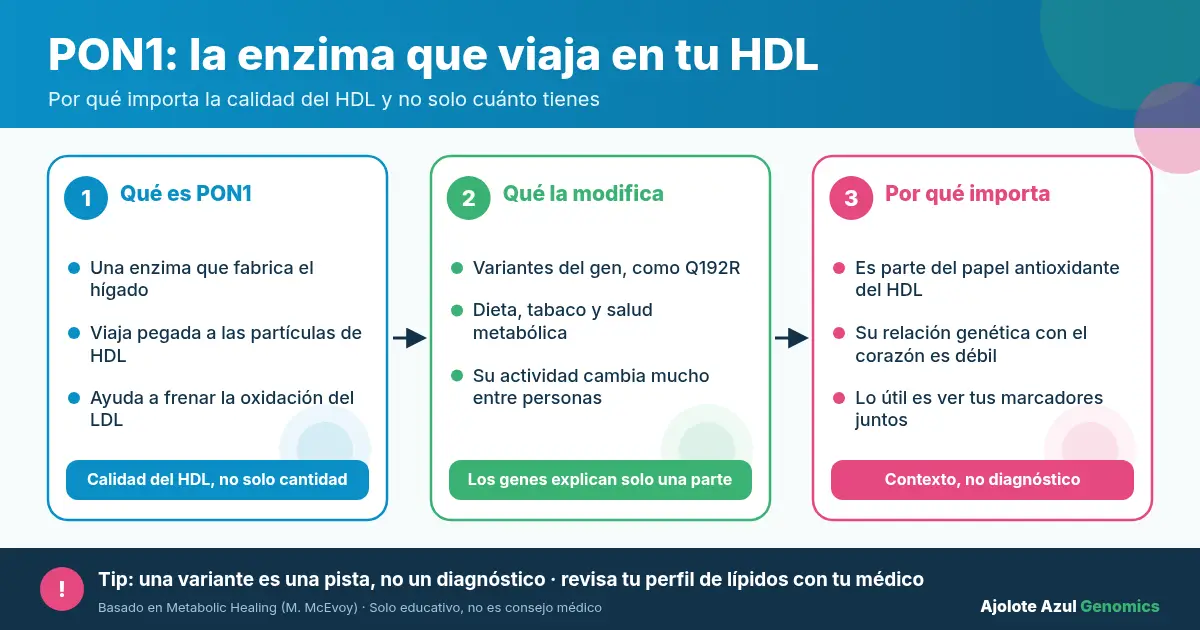
PON1 Gene: Function, HDL, and the Q192R Variant
What does the PON1 gene do? How it relates to paraoxonase, HDL cholesterol, and the Q192R variant—what the evidence shows and its limits.
7 min readRead more
Wellness
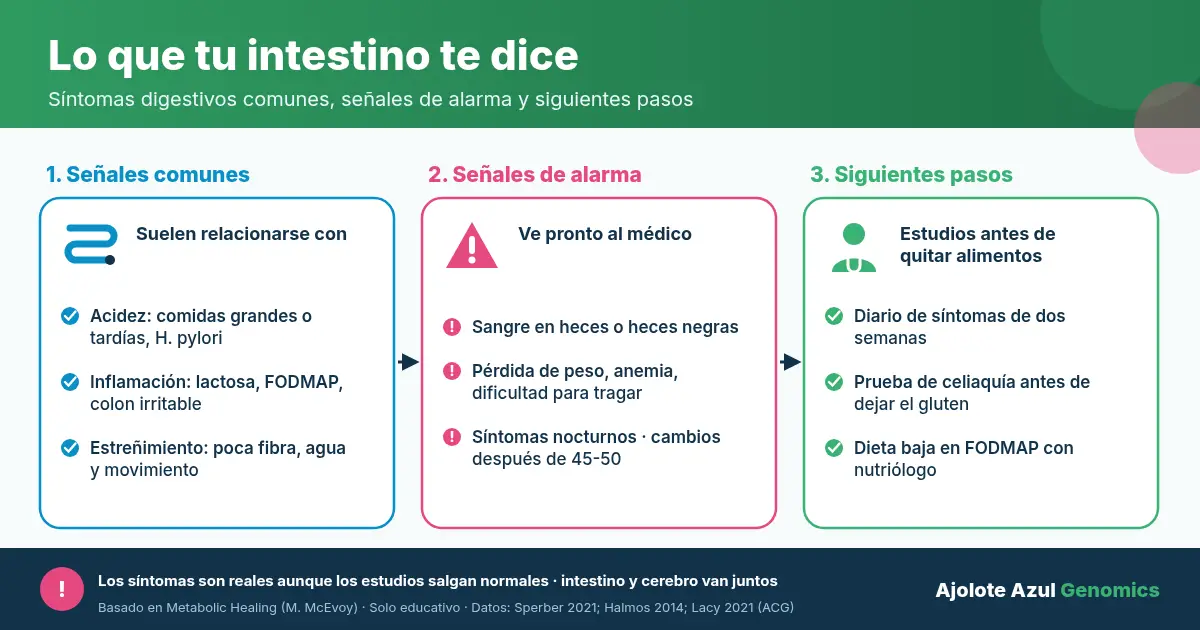
Digestive Symptoms: What Your Gut Is Telling You
Bloating, heartburn, or constipation can have several causes. Learn the warning signs and how a genetic test looks at lactose, gluten, and B12.
8 min readRead more
Wellness
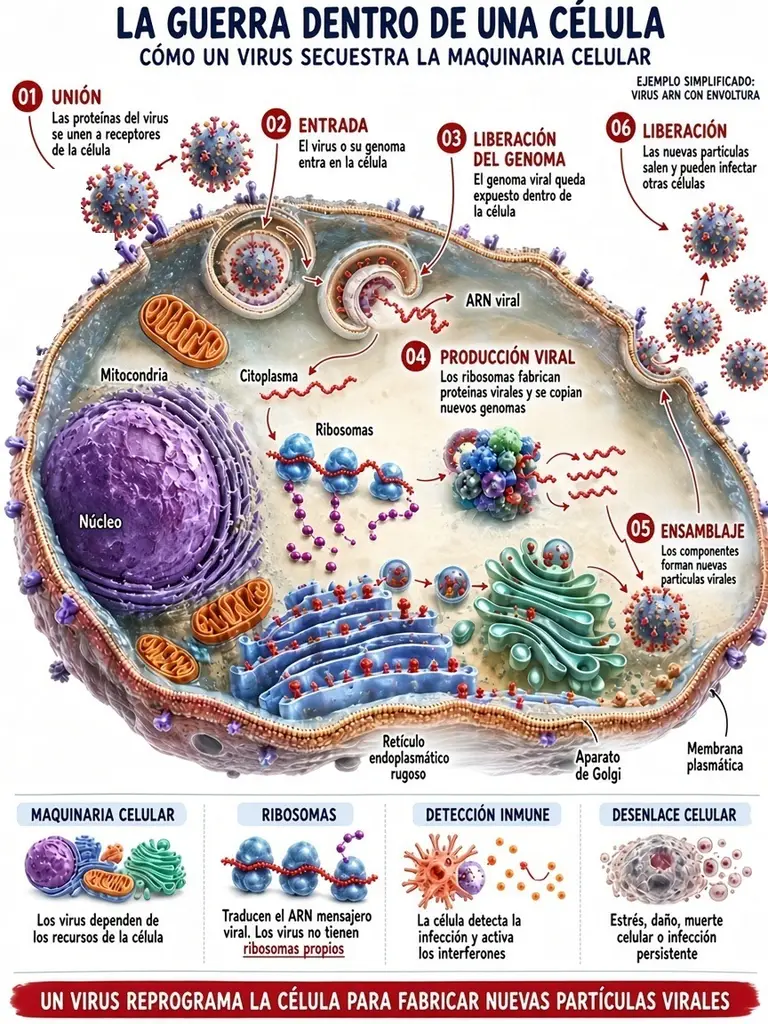
How a Virus Infects a Cell and How the Body Defends
Step by step: how a virus hijacks a cell to multiply, and the defenses your body uses—interferons, sensors, and apoptosis.
5 min readRead more
Did you like this article?
Discover how you can optimize your health with a personalized nutrigenetic test